

The New Frontier: Landing High-Paying Enterprise Remote Sales Roles in 2026
Are you tired of scrolling through remote job boards only to find low paying roles or outright scams?

You are not alone. The remote work boom is real. Remote job postings attract 340% larger candidate pools, which means competition is fierce. But here is the thing. Most people are fighting over the wrong opportunities. They chase entry level customer service gigs or freelance micro tasks. Meanwhile, a hidden world of high paying enterprise remote sales roles exists. And these roles offer life changing income.
Think of companies like Capgemini. They are a global consulting giant that needs skilled closers to sell complex solutions. But you rarely see "Capgemini jobs" listed on generic boards. The same goes for other enterprise players like Walmart. They run massive remote operations that need top sales talent. In Q1 2026, only 4% of new job postings were fully remote. That means the good remote roles are rare. You need a smart strategy to find them.
This guide is your roadmap. We will show you exactly how to identify, prepare for, and secure these enterprise remote closing jobs in 2026. No fluff. No hype. Just actionable steps backed by current industry data and real world experience. Whether you are targeting "remote administrator work" or dreaming of "software engineer remote" pay without the coding, the remote sales path offers a direct route. Let’s start your journey.
Why Large Enterprises Like Capgemini Are Investing in Remote High-Ticket Closers
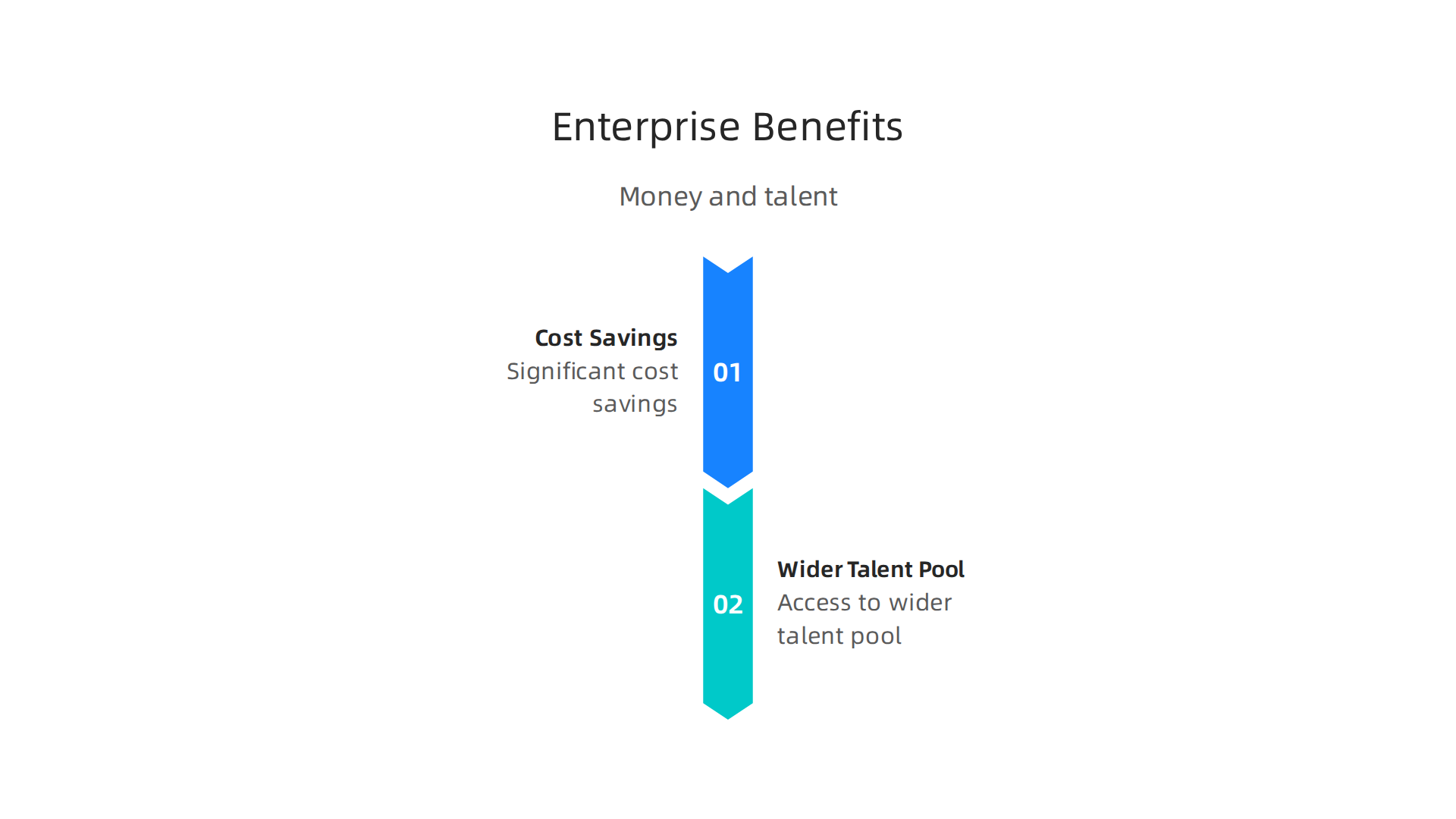
Why would a global giant like Capgemini choose to hire remote closers instead of packing everyone into an office? The answer comes down to two things: money and talent.
And this shift is not slowing down in 2026.
First, cost savings are huge. When companies open roles to remote workers, they cut real estate, utilities, and overhead. But that is only part of the story. Remote job postings attract 340% larger candidate pools, according to WorkTime data. A bigger pool means enterprises can pick from the best closers across the country, not just the people willing to commute to an office. For a company like Capgemini, that is a game changer.
Second, high-ticket closing is a specialized skill. It is not the same as selling low-cost products over the phone. It takes strategy, deep product knowledge, and the ability to handle long sales cycles. Sales role trends in 2026 show that the average rep tenure has dropped to just 18–30 months. That makes finding experienced closers even harder. By offering remote positions, enterprises like Capgemini can attract top talent who might otherwise stay in tech hubs or take "software engineer remote" roles. And yes, Capgemini jobs in remote closing often pay more than many tech positions.
Here is the catch. In Q1 2026, only 4% of all new job postings were fully remote. That means these high-paying remote sales opportunities are rare. But companies like Capgemini and Walmart are actively investing in them because they work. They are adapting their sales models to include remote closers who can handle complex deals from anywhere.
So when you see "walmart jobs" listed or hear about "remote administrator work," remember: the real gold is in high-ticket remote closing. Enterprises need closers who can drive revenue without being tied to a desk. That is why they are building remote teams. And that is exactly where you should focus your energy.
Understanding the Enterprise Sales Landscape: High-Ticket vs. Traditional Sales
You might think all sales jobs work the same way. But selling a $50 subscription to a local shop is completely different from closing a $50,000 software deal for a company like Capgemini.
The reality is, high-ticket sales and traditional sales operate on separate playing fields.
Here’s the biggest difference: enterprise sales cycles are much longer. While a traditional B2B sale might wrap up in a week, a high-ticket enterprise deal often takes months. Why? Because you aren’t pitching to one person. You’re talking to a whole committee — executives, procurement teams, legal, and end users. Every stakeholder has a veto power, and you have to win over each one.
That means the closer’s role shifts from “order taker” to consultative seller. You aren’t just pushing features. You’re leading strategy discussions, presenting case studies, and building ROI projections that stand up to scrutiny. As one expert explains, high-ticket sales involve “multi-month commitment” and require you to act as a trusted advisor throughout the process. This kind of selling demands deep product knowledge and the ability to handle complex objections.
Compare that to traditional SMB sales, where the deal size is smaller, the decision-maker is usually one owner, and the timeline is short. In the enterprise world, you can’t just cold call and hope for a quick yes. You need to nurture relationships, provide proof, and create a personalized sales experience that shows the buyer you understand their unique challenges.
This is exactly why companies like Capgemini and Walmart are hunting for remote closers who already know how to navigate this landscape. They don’t want general salespeople. They want closers who can manage long cycles and close big numbers without needing a desk in the office. And those skills don’t come from selling low-ticket items — they come from training and real practice in high-ticket environments.
If you want to break into this world, understanding the difference is step one. The next step is learning how to build the consultative skills that enterprise buyers demand.
How to Find Legitimate Remote High-Ticket Closing Opportunities at Capgemini and Other Enterprises
So you understand the enterprise sales landscape now. You get that it’s about consultative selling, long cycles, and winning over committees. But the big question remains: where do you actually find these capgemini jobs and other remote high-ticket closing roles?
Here’s the thing. The market is packed with opportunities, but it’s also full of noise. As of early 2026, there are over 800 remote high-ticket sales jobs listed on platforms like Indeed, ranging from tech to customer service. Capgemini itself regularly posts for walmart jobs, enterprise sales roles, and even software engineer remote positions that require top-level closing skills. The roles are out there. But you need a strategy to separate the real deals from the traps.
Start with the company career sites directly. Capgemini has its own careers page where you can filter by remote, sales, and location.

Walmart does the same. Applying directly through the company portal bypasses third-party noise and shows recruiters you did your homework. That’s your first and most reliable move.
Use job boards the right way. Platforms like Indeed are goldmines when you use the right filters. Search for "remote high-ticket closer" or "high ticket sales remote" and you can find hundreds of openings in real time.
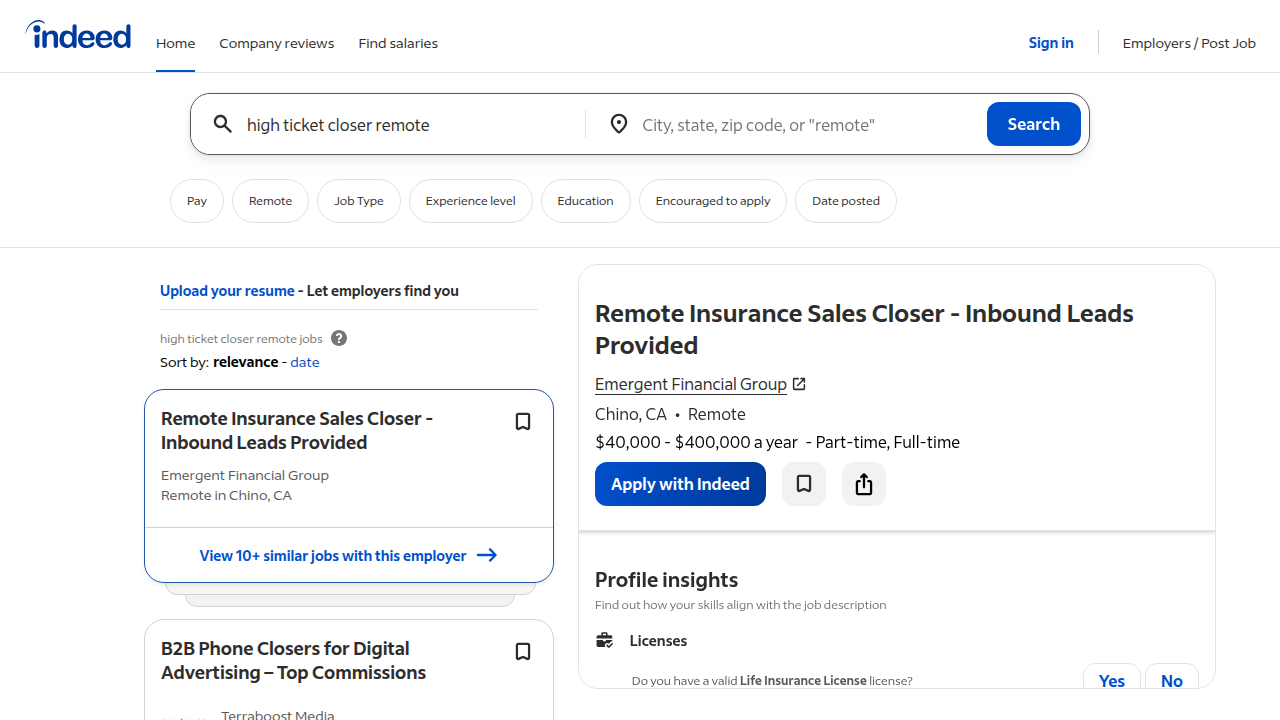
But here’s the catch: not every listing is legitimate. Some "too good to be true" postings ask for upfront payments or promise massive commissions with no base. That’s a red flag. Legitimate remote administrator work or sales roles at Capgemini, Walmart, or similar firms will never ask you to pay to apply.
Watch for these scam warning signs:
- Upfront fees for training or "access" to job listings
- Vague company descriptions with no real website
- Job offers that come too fast after a simple email exchange
- Requests for personal banking details before you’re hired
If you see any of these, walk away. The best opportunities come from real companies with real hiring processes.
Leverage LinkedIn like a pro. Connect with recruiters at Capgemini, Walmart, and other enterprise firms. Follow their posts, engage with their content, and send a short, professional message introducing yourself. Mention your interest in remote jobs and your background in consultative sales. This approach works far better than blasting out generic applications.
Also consider joining specialized remote sales communities. These groups often share exclusive job leads and insider tips that never appear on public boards. Being part of a community also helps you spot legitimate opportunities faster.
If you want a deeper look at what high-ticket roles really pay and how to qualify for them, check out this guide on landing lucrative remote sales positions without being location bound. It breaks down the income potential and skills you actually need.
Finding the right opportunity is half the battle. But once you know where to look and what to avoid, you can focus on what really matters: building the skills to close those big deals from anywhere.
Essential Skills and Training for Enterprise Remote Sales Success
You found the right opportunities. Now you need the right skills. Landing a remote high-ticket closing role at places like Capgemini or Walmart is one thing. Succeeding at it is another. As of 2026, employers want more than just enthusiasm. They want proven abilities that drive results.
Let’s break down the core skills you need and the best ways to build them.
Core Skills You Cannot Skip
Enterprise sales is consultative, not pushy. You need these three skills more than anything else:
- Consultative selling. You must ask smart questions, understand the client’s pain points, and offer solutions that truly help. This is not about reading a script. It’s about solving real problems.
- Communication. In a remote setting, you rely on clear, professional writing and video calls. You need to explain complex ideas simply. That matters whether you’re pitching to a Fortune 500 committee or doing remote administrator work.
- CRM proficiency. Companies use tools like Salesforce or HubSpot to track every deal. Hiring managers expect you to know how to log calls, update stages, and pull reports. As of 2026, learning CRM basics is non-negotiable. Using the best sales tools can make a huge difference in your daily workflow.
Training Programs That Actually Work
You don’t need a college degree for this. But you do need good training. Plenty of options are available in 2026. Look for programs that focus on real-world high-ticket closing, not theory.
Some of the best sales training software includes platforms that offer interactive modules and live coaching. These help you practice objection handling and pitch delivery. If you are searching for remote jobs at top firms, having a certificate from a recognized training program sets you apart.
Also check out structured mentorship programs. For example, there are programs that take you from SDR to Account Executive step by step. That kind of focused training is gold for career switchers. A good training program will teach you the exact skills needed for roles like software engineer remote or enterprise sales positions.
Mentorship and Coaching Resources
Learning alone is slow. Learning with a mentor is fast. In 2026, the best remote closers invest in coaching.

A mentor can spot your weak points, give you honest feedback, and share real strategies that took them years to learn.
There are beginner-friendly training videos available that walk you through the basics of high-ticket sales. These are great starting points.
Consider joining a community of remote closers. Being around other people who are doing the same work keeps you motivated and informed. You learn about new tools, new opportunities, and new techniques.
Remember, the skills you build today open doors to roles at Capgemini, Walmart, and other enterprise firms. The more you practice consultative selling and the more you master your tools, the closer you get to landing those top commissions.
The Remote Sales Tech Stack: Tools Every Enterprise Closer Should Master
You have the skills now. But even the best closer needs the right tools to succeed. In 2026, enterprise sales runs on software. If you want to land roles with companies that hire for capgemini jobs or walmart jobs, you need to know the tech stack inside and out.
Let’s look at the tools that power remote closing success.
CRM Platforms
Salesforce and HubSpot are the standard. Every enterprise team uses them to track leads, log calls, and manage deal stages.
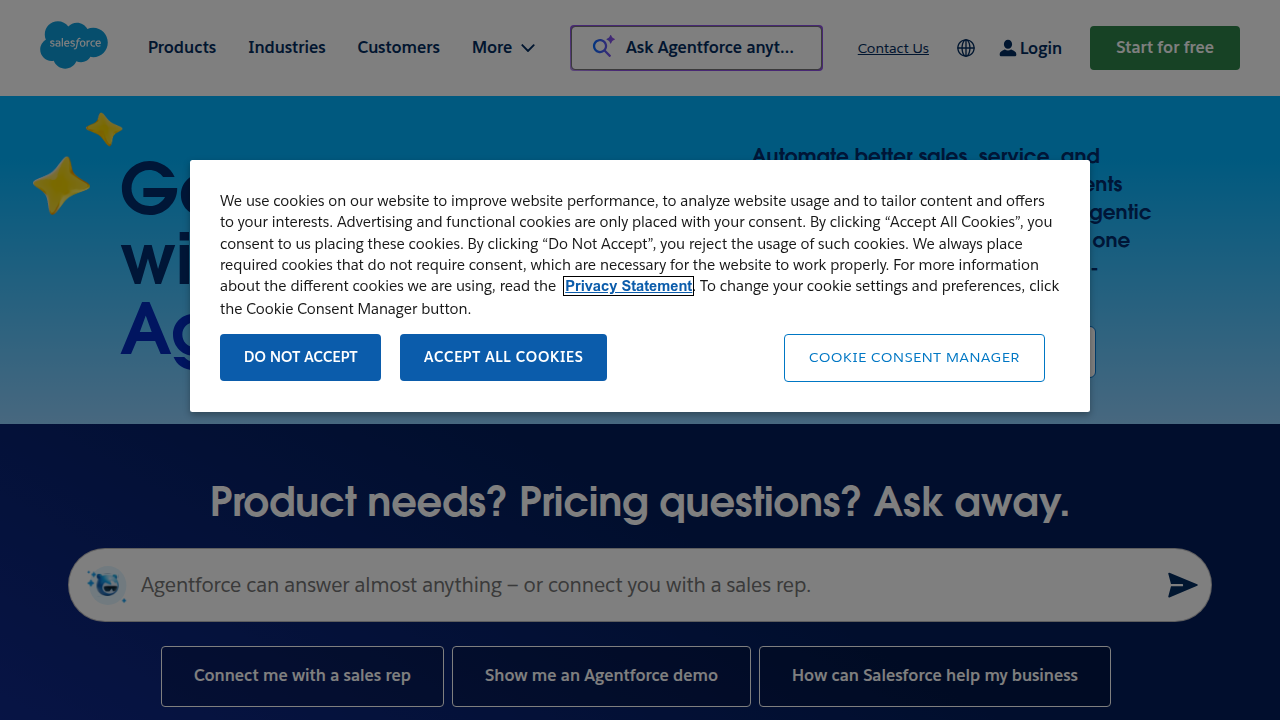
A 2026 guide on essential sales tools says CRMs are the backbone of the sales process. You need to update records quickly and pull reports that show your progress. Hiring managers at major firms expect this skill right away.
Video Conferencing and Communication
Zoom and RingCentral are the main tools for virtual meetings. You need to be comfortable on camera and able to run a professional call.
For enterprise deals, you often present to a committee. Clear video and audio matter a lot. And your virtual communication skills need to be sharp. That includes writing clear emails and messages. These skills matter whether you are hunting for remote jobs at a startup or a Fortune 500 firm.
Proposal and Document Tools
Sending a proposal is a big moment. Tools like Qwilr, PandaDoc, or even Google Docs help you create clean, professional proposals. You want to make it easy for the client to say yes.
Automation and AI Tools
In 2026, smart closers use AI to save time. Tools for prospecting, follow-ups, and lead scoring help you focus on the right deals. According to a 2026 list of types of sales tools you must know, automation tools are now essential for staying competitive in B2B sales.
Tying It All Together
Mastering this tech stack helps you stand out. When you apply for roles like software engineer remote or remote administrator work, your tool knowledge shows you are ready. Even entry-level remote jobs now expect CRM experience and comfort with video tools.
The right tools make your job easier. Learn them well and you will close more deals. That means bigger commissions and a stronger career.
A Step-by-Step Plan to Land Your First Enterprise Remote Closing Role
You have the tech stack down. You know the skills. But landing that first enterprise remote closing role can feel like the hardest part. In 2026, the market is full of opportunities. A search for high ticket closer remote jobs shows hundreds of openings. But competition is real. You need a clear plan to stand out and win the offer.
Step 1: Tailor Your Resume and Cover Letter for Remote Sales
Do not just list your past job duties. Hiring managers want to see results. Use numbers to show your impact. For example, "Closed $250,000 in new business in my first quarter" beats "Responsible for sales."
Highlight your experience with specific tools. Mention Salesforce or HubSpot. Show that you are comfortable running virtual meetings on Zoom or RingCentral. This matters whether you are applying for capgemini jobs, walmart jobs, or even a software engineer remote role that involves client interaction.
Your cover letter should show you understand remote sales. Talk about your self-discipline and communication skills. Many high ticket sales remote work from home jobs value these traits above all else.
Step 2: Prepare for Virtual Interviews and Role-Play Scenarios
Many employers will ask you to do a mock sales call. They want to see how you handle objections and build rapport on camera. This is not the time to wing it.
Practice your pitch out loud. Record yourself and watch it back. Notice your tone and body language. Get comfortable with silence. In a real sales call, pauses feel longer than they are.
Research the company and their product before the interview. Know their competitors. Be ready to ask smart questions. This shows you are serious about the role. Whether you are looking at remote administrator work or a full time closer position, this preparation sets you apart.
Step 3: Negotiate Compensation and Understand Commission Structures
High ticket sales jobs remote often pay a lower base salary with uncapped commission. That is where the real money is. But you need to understand the numbers before you accept an offer.
Ask about the average deal size. Find out what the top performers earn. Ask about the commission percentage and how it changes as you hit targets. A clear understanding here helps you choose the right role and avoid surprises later.
Negotiate your base salary if you can. Even a small increase adds up over time. And remember, your first role is a stepping stone. Focus on learning and building a track record.
Follow these steps and you will be ready to land your first enterprise remote closing role. The opportunities are right there. Browse current openings and start applying today.
Income Potential and Career Growth in Enterprise Remote Sales
You might be wondering how much you can actually earn in enterprise remote sales. The short answer is: a lot. But let’s get specific so you know what to expect.
Realistic Income Ranges
Most high-ticket closing roles pay a base salary plus commission. The base might be modest, but the commission is where the real money is. According to the Ultimate Guide to Remote Closer Salaries, some elite closers earn over $50,000 per month by closing just a handful of deals. That’s not common for beginners, but it shows the ceiling.
More realistic first-year earnings for enterprise remote closers in 2026 land between $70,000 and $180,000,

depending on your industry and deal size. The Best High-Ticket Sales Jobs in 2026 report lists average deal sizes from $5,000 to over $500,000. On Glassdoor, listings for high-ticket sales closers in remote positions show ranges from $90,000 to $300,000 per year. So the income potential is very real.
These opportunities aren’t just for traditional sales roles. They exist across many fields, including capgemini jobs and other consulting firms that need remote closers.
Career Progression Paths
The best part about enterprise remote sales is you don’t stay in one role forever. Many closers move up quickly. Common career paths include:
- Team Lead: You help train new closers and handle the toughest deals.
- Sales Trainer: You run onboarding and teach closing techniques.
- Sales Manager: You oversee a team of closers and set strategy.
Some even branch out into their own sales agencies or consulting. The Complete Guide to High-Paying Work From Home Sales Careers highlights that you can go from SDR to Account Executive to Sales Manager in just a few years if you hit your numbers.
Setting Performance Metrics and Goals
To grow, you need clear metrics. Most companies track:
- Calls or demos per week
- Conversion rate (how many calls become deals)
- Average deal size
- Monthly commission earned
The more you track, the better you improve. As one Indeed listing notes, you must meet or exceed daily and monthly sales metrics to stay on track. Set your own goals on top of company targets. For example, aim to close one extra deal per quarter. That alone can add thousands to your income.
Enterprise remote sales is not just a job. It is a career with serious earning potential and room to grow. The numbers are real. The path is clear. Now it is up to you to take the next steps.
The Role of Community and Mentorship in Remote Sales Success
Working from home as a sales closer has plenty of perks, but it can also feel lonely. Many closers say the hardest part of the job is not the rejections. It is the silence between calls. Without a team nearby, you lose the energy, the quick feedback, and the accountability that comes from working in an office. That is where community and mentorship change everything.
Why Community Matters
Being part of a group of remote closers gives you support and accountability. You can ask questions, share your wins, and learn from others who face the same challenges.

These communities often share job leads, too. You might hear about openings for roles like capgemini jobs or walmart jobs before they hit the public boards. That alone can fast track your career.
According to the Complete Guide to High-Paying Work From Home Sales Careers, many top earners credit their success to being part of a focused peer group. They stay motivated and keep improving because they have others to compare notes with.
How Mentorship Accelerates Growth
A mentor has already walked the path you want to take. They can help you avoid common mistakes, sharpen your closing script, and open doors to new opportunities. Mentorship shortens the learning curve by months or even years.
Many of the best remote sales professionals point to a mentor as the reason they broke through income plateaus. One popular resource for finding this kind of coaching is the If I Started High Ticket Sales in 2026, I’d Do This video, which highlights the value of getting personal guidance.
Remote Closers Club: A Home for Remote Sales Pros
If you are looking for a dedicated community, the Remote Closers Club is built specifically for remote closers. It connects you with training, coaching, and a network of peers who understand your daily reality. Whether you are just starting out or aiming for a six figure year, having a community behind you makes the journey faster and far less lonely.
When you combine community support with strong mentorship, you create a foundation for long term success. And that foundation helps you land better roles, close bigger deals, and grow your career on your own terms.
Summary
This article maps a practical path to landing high-paying enterprise remote sales roles in 2026, focusing on consultative