

Introduction: The Remote Work Revolution and Your Path to Success
Imagine waking up, grabbing your coffee, and starting your workday without ever stepping foot in a car.

That is the reality for millions of people today. In 2026, about 22% of the US workforce, over 36 million people, work remotely at least part of the time, according to the Bureau of Labor Statistics. The remote work revolution is not a passing trend. It has reshaped how we think about careers, flexibility, and earning potential.
But here is the thing. With so many opportunities, the online jobs space can feel overwhelming. Scams are everywhere. Misinformation makes it hard to separate real paths from fake promises. You might wonder where to find the best remote jobs that actually pay well and offer growth.
That is exactly why this guide exists. We put together a step-by-step, research-backed roadmap to help you find legitimate, high-quality remote opportunities. Whether you are looking for a remote full time role, part time online jobs, or even remote jobs in NYC, we cover it all. Special focus goes to high-ticket sales, one of the most rewarding and accessible career paths in the remote world. If you want to learn more about breaking into this field, check out our guide on high-ticket closer jobs remote as a next step. For those aiming even higher, we also explore enterprise remote sales roles with six figure pay. Let us get started on your journey.
The Remote Work Boom: Statistics and Trends for 2026
The numbers from the introduction are just the start. This shift is reshaping entire industries in 2026. Actually, around 55% of U.S. jobs can now be done remotely.

And globally, about 28% of the workforce already works from home. This tells us something important. Remote work is not a temporary fix. It is a permanent change in how companies hire and how people build careers.
Some people worry that companies will force everyone back to the office. But the data shows a different story. The telework rate has stayed consistently between 18% and 24% since late 2022. That means over 36 million Americans worked from home at least part-time in 2026. This stability is great news if you are searching for online jobs. For job seekers, this means your search can be smarter. Instead of wondering if remote roles will last, you can focus on finding the right fit and building specialized skills.
So where are the best opportunities right now? Sales and tech lead the way. High-ticket sales has grown fast as a remote-first career. Companies need skilled closers who can work from anywhere. If you want a remote full time role with strong earning potential, this is a smart field to explore. The demand is high because the results speak for themselves. You can read more about breaking into this space in our guide on high-ticket closer careers for digital marketing interns.
The overall trend is clear. General remote work is stable. Specialized best remote jobs are growing even faster. Whether you are looking for part time online jobs to start or aiming for remote jobs NYC based companies offer, the key is to pick a growing niche. For those aiming for the top, specialized enterprise sales can unlock incredible income. Learn how to land enterprise remote sales roles with six-figure pay in 2026 for a deeper look.
How to Spot Legitimate Remote Jobs and Avoid Scams
So you know the remote work boom is real, and you are ready to jump into online jobs. But here is the scary part. Scammers are out there, too. They know you are searching for flexibility and income.

In 2026, the Federal Trade Commission (FTC) warns that unsolicited text messages from fake recruiters are a major problem. These scammers pretend to offer dream roles, but they really want your money or personal info.
Remote job scams cost job seekers millions every year. The FTC says losses on social media alone are eight times higher than in 2020. That is a lot of people getting tricked. But you do not have to be one of them. Knowing the red flags can save you time, money, and heartache.
Red flags to watch for:
- Unexpected job offers by text or email. If you did not apply, be suspicious. Real recruiters rarely reach out first without a connection.
- Upfront payment requests. No legitimate employer asks you to pay for training, software, or a background check.
- Vague job descriptions. If the role sounds too easy or the pay seems unreal, it probably is.
- Pressure to act fast. Scammers want you to skip your due diligence.
- Poor grammar and unprofessional communication.
Legitimate best remote jobs come from companies you can verify. Check the company website, look for reviews on Glassdoor, and confirm the hiring manager’s identity. A real employer will have a clear job posting, a transparent interview process, and never ask for sensitive info like your bank account upfront.
For remote full time or part time online jobs, take these steps before applying:
- Search the company name with the word “scam” to see complaints.
- Look up the job posting on the company’s official careers page.
- Never give out your Social Security number or pay any fee during the application process.
- Trust your gut. If something feels off, walk away.
This is especially important when searching for remote jobs NYC or other high demand areas where scammers target eager applicants. The FTC has a great resource on how to avoid job scams with more detailed tips.
The good news is that legitimate opportunities are out there. Roles in high ticket sales, for example, are growing fast. If you want to build a real career path, check out our guide on high ticket closer jobs for digital marketing interns to see what a genuine remote role looks like.
Stay smart, stay safe, and you will find the right fit.
Essential Skills for High-Ticket Remote Closing
Okay, so you have learned how to spot real online jobs and avoid the scams. That is a huge first step. But now comes the next question. What skills do you actually need to land one of the best remote jobs in the high-ticket sales world? And here is the thing. This is not your average retail sales role. High-ticket remote closing is a different beast.
It is all about helping someone make a big decision. We are talking about sales of $1,000, $5,000, or even $10,000 or more. You are not just pushing a button on a website. You are building trust, solving real problems, and guiding a person to a yes. That takes a specific set of tools.
The three core skills you need:
- Consultative selling. This is the biggest one. You stop talking and start listening. You ask good questions to understand the customer’s pain. Then you show how your product or service fixes that pain. It is about being a helper, not a hustler.
- CRM proficiency. You need to track your leads and follow-ups. Tools like Salesforce or HubSpot are standard. If you cannot use a CRM well, you will drop the ball on remote full time opportunities.
- Video communication skills. You will be on Zoom or Google Meet all day. That means good lighting, a clear voice, and the ability to read a room through a screen. Your body language matters just as much online as it does in person.
Here is a surprising truth that might help you. A lot of experienced sales pros actually lack training in remote closing methods. They know how to sell face to face. But they have never learned the specific frameworks for handling objections over a call or building rapport when you cannot shake hands. That is where you can get ahead.
Skill development does not have to take years. You can speed it up with structured training and deliberate practice. If you are looking for part time online jobs or a full career shift, focusing on these skills first will make you stand out. For example, mastering the art of disqualifying bad leads is just as important as closing good ones.
Want to see what these skills look like in a real career path? Check out our guide on high-ticket closer jobs for digital marketing interns to see how beginners level up their sales game.
And if you are aiming for high earnings in major markets (think remote jobs NYC style roles), you need a strategy. Learn how to land enterprise remote sales roles with six-figure pay in 2026 to see the bigger picture.
The skills are learnable. The demand is real. Now you just need to start building.
Top Platforms to Find Online Remote Jobs
So you have the skills. You know how to consult, handle a CRM, and own the video call. Now comes the next big question. Where do you actually find the best online jobs that pay well and let you work from anywhere?
Here is a truth that saves a lot of wasted time. Not all job boards are created equal. If you only use generic sites, you will end up buried in low quality leads. You need to hunt where the real high-ticket closers hang out.
The General Players (Use with Caution)
Sites like LinkedIn and Indeed are still useful. They have massive databases. But for best remote jobs in high-ticket sales, you have to filter hard. A quick search on remote.co shows you dedicated sales roles that are already vetted for remote work.
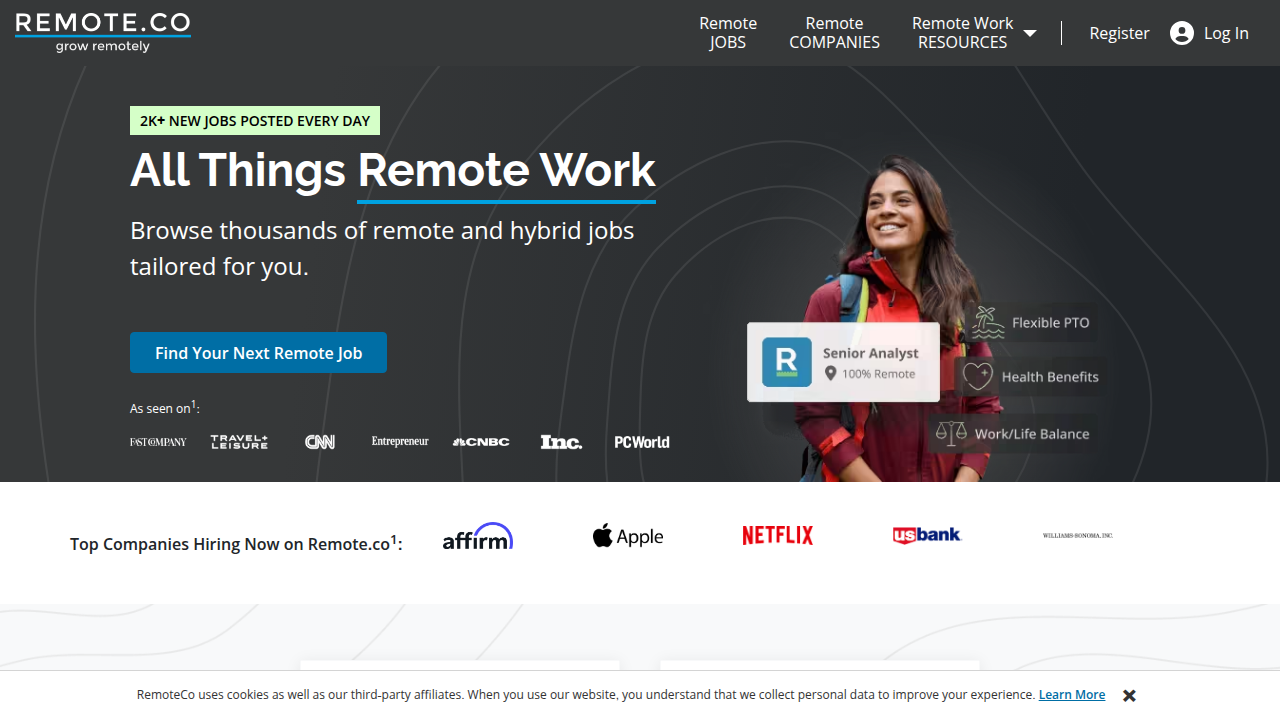
That saves you from wading through office jobs.
For remote full time roles at established companies, Built In curates positions from startups and tech firms. This is a solid option if you want a stable paycheck plus commission.
The Niche Platforms (Where the Gold Is)
The real difference makers are platforms built specifically for remote professionals. According to a roundup of top platforms, FlexJobs leads in quantity while Crossover targets elite talent.
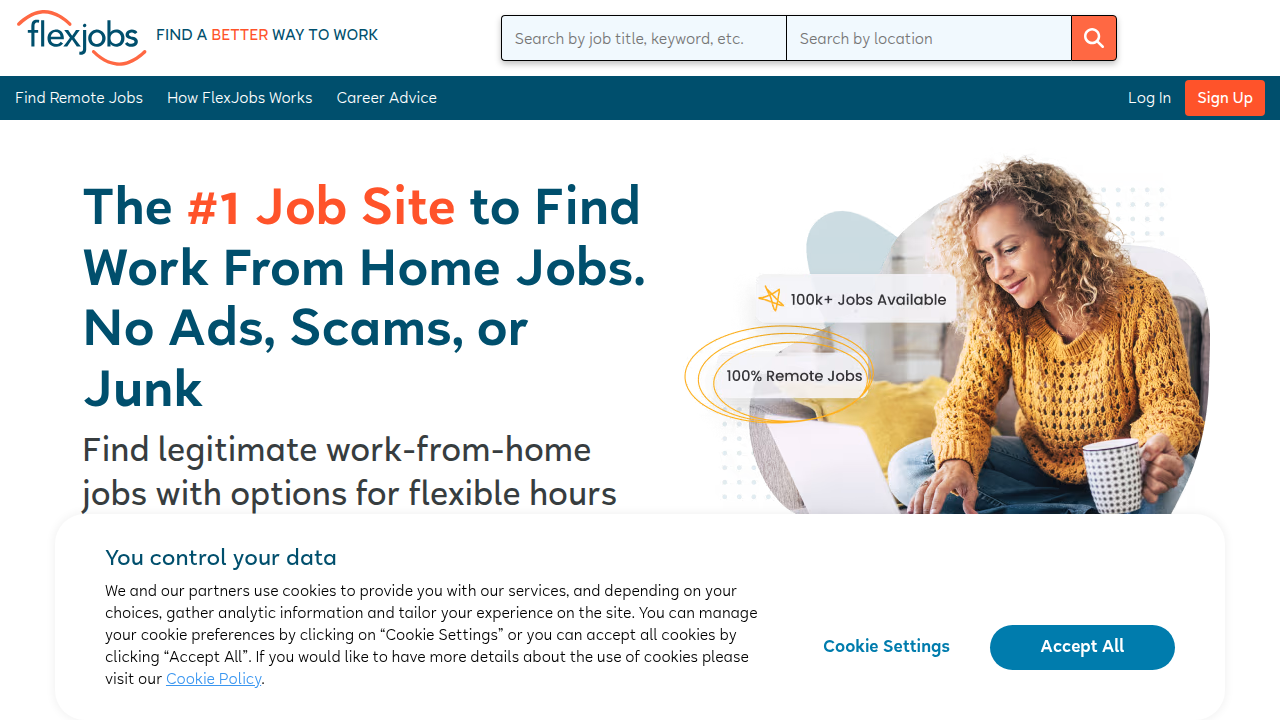
Himalayas gets praised for its user friendly interface.
Another source lists DailyRemote, LinkedIn, and We Work Remotely as top picks for 2026. The key is using multiple platforms to cover your bases.
For part time online jobs or freelance closing gigs, check sites like NoDesk. They list remote sales roles that range from account manager to business developer. You can often find flexible hours that fit your schedule.
If you are targeting big markets like remote jobs NYC, focus on company career pages for remote first brands. Many high-ticket firms post exclusively on their own sites before listing anywhere else.
A Quick Strategy That Works
Do not just spray applications everywhere. Pick two or three niche platforms and check them daily. Set up alerts for keywords like "high-ticket closer" or "remote account executive." Apply early. The best roles get filled fast.
Want to see how beginners use these platforms to land their first role? Read our guide on high-ticket closer jobs for digital marketing interns.
And if you are aiming for six figures right away, you need a more targeted approach. Learn how to land enterprise remote sales roles with six-figure pay in 2026.
The platforms are out there. The opportunities are real. Now you just need to pick the right ones and start sending applications.
Optimizing Your Resume and Online Presence for Remote Roles
You now know where to find the best online jobs in high-ticket sales. But here is the hard truth. The hiring manager at a remote company will not see your application if it looks like everyone else’s. You have to make it clear within seconds that you are built for remote work.
What Remote Employers Look For
When you apply for best remote jobs, employers have one big worry. Can you work without someone standing over your shoulder? Your resume needs to scream self-discipline and strong communication.
Here is what to highlight:
- Remote work experience. Even if you just worked from home for a few months at a past job, list it. Show you know how to stay focused.
- Self-motivation examples. Did you hit a tough sales target without a manager pushing you? Put that front and center.
- Communication skills. Remote roles live and die by clear writing and confident video calls. Mention any experience with Zoom sales calls, email campaigns, or CRM tools.
A study of top remote job platforms confirms that roles listed on sites like Built In and Remote.co are highly competitive. You need more than just a standard resume.
Your LinkedIn Profile Matters More Than You Think
Your LinkedIn profile is often the first thing a hiring manager checks. Treat it like a sales page for yourself.
Write a headline that includes keywords like "remote full time sales closer" instead of just "sales professional." Add a featured section with screenshots of past wins. A real portfolio of sales achievements, like a high close rate or a big deal you closed, will set you apart from other applicants.
If you are looking for part time online jobs or freelance gigs, make sure your profile says you are open to contract work. Many companies search LinkedIn specifically for remote talent.
Tailor Everything. Yes, Everything.
The biggest mistake people make is sending the same resume to every job. That almost never works. Tailoring your application for each role can double or triple your callback rate.
Pick out keywords from the job description and use them in your resume and cover letter. For example, if the role requires "cold calling and pipeline management," use those exact phrases. It helps you get past automated filters.
If you are targeting specific markets like remote jobs NYC, look at what local remote companies are hiring for and customize your experience to match their needs.
Two Next Steps to Get Ahead
Want to see how beginners without sales experience can still land remote closing roles? Read our guide on high-ticket closer jobs for digital marketing interns. It shows you how to position transferable skills.
If you already have sales experience and want six figures fast, our advanced strategy covers how to land enterprise remote sales roles with six-figure pay in 2026. It walks you through resume tactics that get you noticed by top firms.
Your resume and online presence are your first sales pitch. Make them count.
Mastering the Remote Interview and Hiring Process
You have optimized your resume and LinkedIn. Good. But the real test comes next. The remote interview is where you prove you belong.
A remote interview is very different from sitting across a desk from someone. You have unique challenges to deal with. Let us walk through each one so you feel ready.
The Three Big Remote Interview Challenges
Your technical setup matters. Here is the thing. Your internet, camera, and lighting are the first thing the recruiter notices. If you look unprofessional on screen, they will assume you look unprofessional on client calls. According to recent data, 81% of recruiters now use video interviews. So test your setup before the call. Make sure your background is clean. Make sure your lighting faces you, not the wall behind you.
Building rapport through a screen is hard. You cannot rely on handshakes or body language the same way. Look directly at the camera when you speak. Not at the screen. That creates the feeling of eye contact. And use confident pauses. Silence feels longer on video calls, so do not rush to fill it.
Time zones can trip you up. If you are interviewing for a company based in a different time zone, show up early and ready. Double check the time conversion. Being late to a remote interview because of a time zone mix up is not a good look.
What Questions to Expect in 2026
The best remote sales interview questions in 2026 are changing. They are testing new skills. For example, many companies now check your comfort with AI tools and your ability to map stakeholders inside a company.
You will still see the classic sales questions too. Expect things like:
- "Tell me about yourself." (Tailor this to remote sales specifically)
- "How do you handle rejection?" (This matters a lot in remote sales)
- "Walk me through a time you managed a difficult sales cycle."
Use the STAR method (Situation, Task, Action, Result) for behavioral questions. And always pull keywords from the job description into your answers. If they mention "cold calling and pipeline management," have a story ready about your cold calling success.
The Follow Up Is Your Secret Weapon
Most candidates do not follow up after a remote interview. That is a huge mistake.
Within 24 hours, send a short email. Thank them for their time. Mention one specific topic you discussed. This small step shows you pay attention to details. It can tip the scales in your favor.
What Comes Next
Mastering these techniques works for all kinds of opportunities. Whether you are looking for part time online jobs or remote full time careers, the same rules apply.
If you want to practice these skills specifically for closing roles, read our guide on high-ticket closer jobs for digital marketing interns. It shows you how to position transferable skills.
And if you are aiming for a senior role, our strategy on landing enterprise remote sales roles with six-figure pay in 2026 will help you prepare for the toughest interview questions.
The remote interview is your chance to show them exactly what you can do. Prepare well. Show up confident. And always follow up.
Building a Sustainable Career as a Remote Closer
Landing the job is just the beginning. The real challenge comes after. Building a career that lasts in remote sales takes more than just closing a few deals. You need a plan for the long run.
Continuous Learning Keeps You Competitive
The best remote sales professionals never stop learning. The tools and strategies that worked last year may not work in 2026. For example, many companies now expect closers to be fluent in AI tools and skilled at mapping stakeholders inside a company. According to a 2026 sales interview framework, top hirers are specifically testing for AI fluency and pipeline discipline (source: Apollo article).
So stay curious.
Set aside time each week to learn something new. Read industry blogs. Take a short course. Watch a recorded demo from a top closer. Even 30 minutes a week adds up fast. This habit also helps you spot new opportunities, whether you are looking for part time online jobs or remote full time roles.
Community and Mentorship Fight Isolation
Remote work can be lonely. You sit alone in your home office all day. There is no water cooler chat. No one to celebrate a win with right away. This isolation can drain your motivation over time.
That is why community matters so much. Join a group of other remote closers. Share your wins and your struggles. Ask for advice when you are stuck. Having a mentor who has been where you are can save you months of frustration.
If you are just starting out, check out our guide on high-ticket closer jobs for digital marketing interns. It shows you how to build a network from scratch, even if you have no prior sales experience.
Understanding Income Progression and Setting Goals
Many new closers expect to earn six figures in their first month. That is not realistic for most people. Remote closing income usually grows over time. You start with smaller commissions, build your skills, and then move into bigger deals.
The key is to know what real progression looks like. For example, a beginner might earn $2,000 to $4,000 a month in commission. After six months of consistent effort, that can grow to $6,000 to $10,000. Top closers in enterprise roles often earn $15,000 or more per month.
Set specific performance goals each quarter. Track your calls, your appointments, and your close rate. If you are stuck, adjust your approach. For those aiming for senior roles, our strategy on landing enterprise remote sales roles with six-figure pay in 2026 breaks down exactly how to hit those numbers.
Diversify Your Income Streams
Relying on one commission source is risky. The best remote closers build multiple income streams. Maybe you take on a second part-time closing role. Or you start offering consulting on the side. Some even create their own training products.
This approach gives you stability. If one client drops off, you still have other income coming in. Plus, having multiple sources of income helps you learn different sales styles and markets.
Whether you are searching for best remote jobs or looking specifically for remote jobs nyc opportunities, remember that the career is a marathon, not a sprint. The people who last in remote sales are the ones who keep learning, stay connected, set clear goals, and build real income security.
The Future of Remote Work: What to Expect Beyond 2026
The way we work is changing fast. If you are building a career in remote closing now, you need to know what is coming next. The landscape in 2026 already looks different than most people expected. And the changes are not slowing down.
Emerging Technologies Will Reshape Your Daily Work
Two big tech trends are already changing remote work. The first is artificial intelligence. AI is not here to replace closers. It is here to help you work faster and smarter. According to a detailed analysis of remote work trends in 2026, AI augmented workflows are becoming standard in many roles, helping sales professionals automate research, draft outreach, and analyze calls (source: CIAT article).
The second trend is virtual and augmented reality. Tools like VR headsets are starting to make remote collaboration feel more like being in the same room. Imagine walking through a product demo with a prospect without leaving your home office. That is already happening in some industries (source: IE University).
These changes mean the skills you need are shifting too. Being good at typing scripts is not enough anymore. You also need to be comfortable using AI tools and adapting to virtual sales environments. This is true whether you are looking for online jobs in sales or exploring best remote jobs in other fields.
Regulatory Trends Could Impact Your Flexibility
Governments are starting to pay more attention to remote work. Some places are creating new rules around worker rights, taxes, and benefits for remote employees. For example, if you work remotely from a different state or country, your employer may need to follow local labor laws there.
According to a 2026 report on the future of work, remote and hybrid work arrangements are expected to remain a core part of business operations, but regulators are actively shaping how those arrangements work (source: TechNet). This could mean more protections for you as a remote worker. But it could also mean companies limit where you can work from.
If you are searching for remote full time positions or part time online jobs, pay attention to where the company is based and what your tax obligations will be. Some roles in cities like New York already have specific requirements. That is why many closers look for remote jobs nyc that let them earn at big city rates without living there.
Position Yourself Ahead of These Shifts
The best way to handle uncertainty is to stay flexible. Keep learning new tools. Build relationships with companies that embrace remote work. And never stop tracking where the industry is heading.
If you want to prepare for the high paying roles of the future, our guide on landing enterprise remote sales roles with six-figure pay in 2026 walks you through exactly what top companies will be looking for.
The remote work revolution is still young. The changes coming in the next few years will create huge opportunities for people who are ready. Be one of them.
Summary
This guide walks you through the remote-work revolution and shows how to find legitimate, high-paying remote roles—especially in high-ticket sales. It explains why remote and specialized sales jobs are growing, how to spot and avoid common scams, and which core skills employers seek (consultative selling, CRM use, and video communication). The article also covers where to find quality listings, how to tailor your resume and LinkedIn for remote hiring, and exactly how to prepare for virtual interviews and follow-ups. Beyond the job hunt, it outlines career-building practices like continuous learning, community and mentorship, income progression expectations, and diversifying revenue streams. Finally, it looks ahead at emerging tech and regulatory changes that will shape remote work and offers practical steps to stay competitive as the market evolves.