

Finding your first real career opportunity can feel like running in circles. You type "entry level jobs" into a search bar, click through dozens of listings, and still end up wondering which ones are real.

The job market in 2026 has changed fast, and most of the action has moved online.
Remote and hybrid roles now dominate the landscape. As of early 2026, about 23% of U.S. workdays happen remotely, with over 37 million people working from home at least part time [source: DailyRemote, citing Bureau of Labor Statistics]. But here is the thing: only about 6% of all remote job postings are actually designed for true beginners [source: Toggl Track]. That means the competition for those "remote jobs entry level no experience" listings is fierce. Meanwhile, many of the so-called "online jobs from home" opportunities turn out to be scams or commission-only traps that waste your time.
So what makes the difference between spinning your wheels and actually landing a solid role? A clear, honest roadmap.
This guide is built for someone just like you. Someone who has no experience yet but refuses to settle for dead-end gigs. We will cut through the noise, highlight legitimate pathways, and show you how to start building a foundation that leads to something bigger. If you are ready to stop searching for "jobs near me no experience" and start targeting roles with real growth potential, this is where you begin. And for a closer look at how to turn those entry level jobs into a career that pays well, check out our guide on how to find the best remote jobs and build a high ticket sales career.
Understanding Entry-Level Jobs in 2026: What Beginners Need to Know
Let us redefine something important. When you search for "entry level jobs" today, the results can look confusing. Many listings ask for one to two years of experience, which feels impossible when you have none. But here is what "entry level" actually means in the remote landscape of 2026.
Entry level no longer means zero skills required. It means the employer is willing to train you on their specific product or process, but they expect you to bring core abilities like communication, discipline, and the ability to learn fast. The good news? You do not need a degree or a decade of experience. You just need to show you can handle a virtual environment.
The data backs this up. As of early 2026, about 37 million Americans work remotely at least part time, according to the Bureau of Labor Statistics source: DailyRemote.
That is a massive shift. Yet only 6% of remote job postings are designed for true beginners source: Toggl Track. That sounds discouraging until you realize which roles make up that 6%. Sales, customer success, and high-ticket closing positions are leading the charge. Remote job postings overall increased by 20% over late 2025 source: FlexJobs, and many of those new openings are built for motivated people with no direct experience but strong drive.
Here is where the landscape splits in two. Traditional entry-level roles, especially on-site ones, often pay hourly wages and offer limited growth. As of Q1 2026, 77% of new job postings are fully on-site source: Robert Half. That means the classic "jobs near me no experience" search mostly leads to in-person jobs with capped earning potential. But remote high-ticket closing is a different animal. These roles reward performance over tenure. You can start with no background, invest in targeted training, and earn commissions that rival six-figure salaries. The autonomy is real, and the ceiling is high.
That is why so many beginners are skipping the traditional path and heading straight for remote closing. They skip the endless "online jobs from home" rabbit hole and go directly to roles that pay for results.
If this sounds like the right move for you, take a closer look at how to get started by reading our guide on how to find the best remote jobs and build a high ticket sales career. It breaks down the exact steps to move from search to success.
Top Industries Hiring Entry-Level Workers in 2026
Good, you now understand what "entry level" really means in 2026. But where exactly do you look? The answer depends on which industry you target. Some are far more open to beginners with no experience, especially in remote settings.
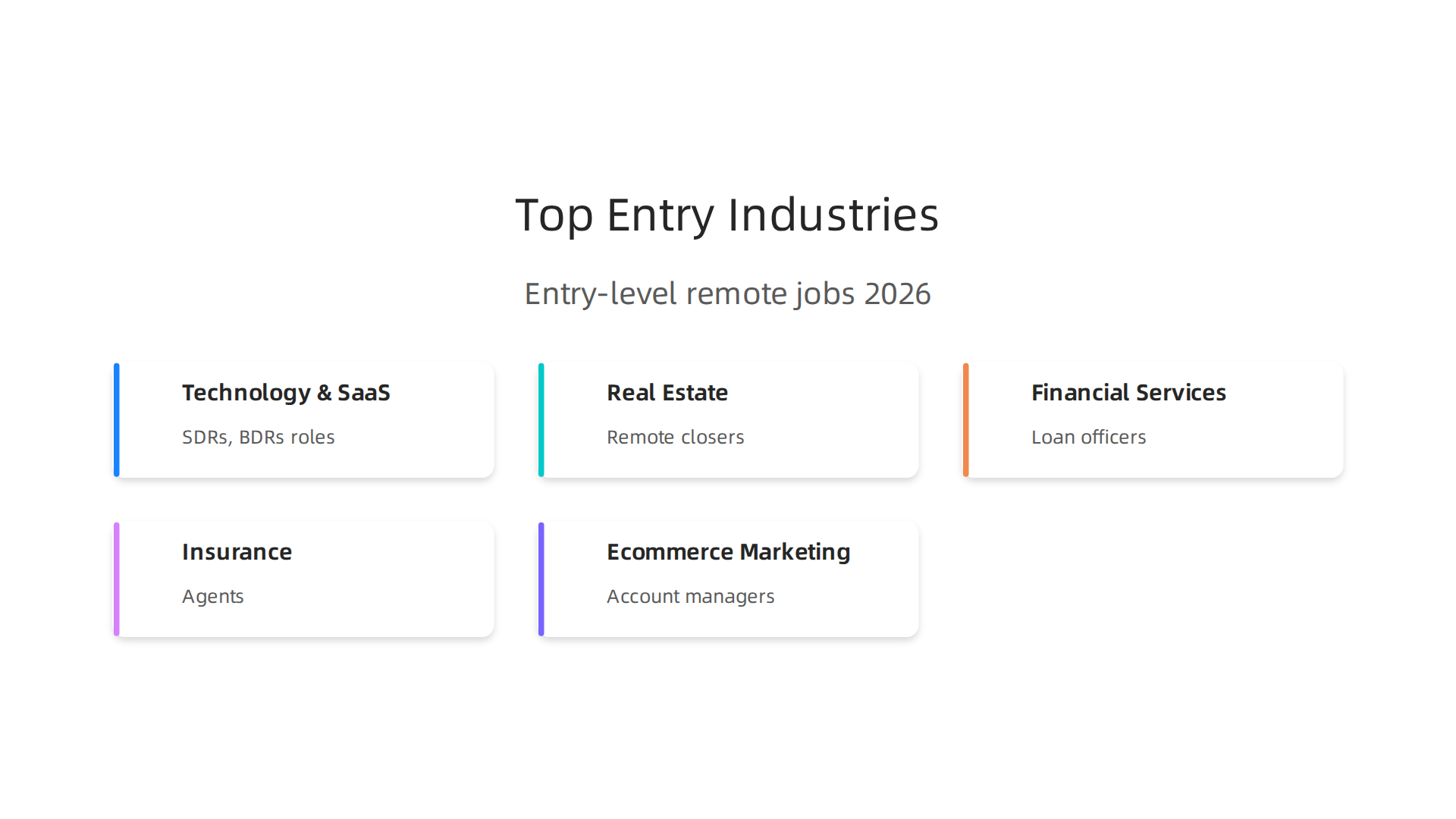
Let me break down the top industries hiring entry level workers right now. These five fields consistently post remote jobs entry level no experience required.
1. Technology and SaaS
Technology companies lead the pack. Software as a Service (SaaS) firms constantly need sales development representatives (SDRs) and business development representatives (BDRs). These are true gateways for beginners. According to CourseCareers, beginners should target titles like BDR and SDR because they offer structured training and clear promotion paths. On Indeed, you can find over 2,800 entry level sales remote job postings at any given time, with many sitting in tech.
2. Real Estate
The real estate industry needs remote closers, appointment setters, and lead generators. Real estate firms hire remote workers to handle inbound leads and set appointments for agents. This is a perfect entry point if you want to learn high-ticket sales without needing a license. The earning potential is solid, and the work is commission driven.
3. Financial Services
Banks, mortgage companies, and investment firms are hiring remote entry level sales roles. Think loan officers, financial advisors, and client acquisition specialists. These roles often pay base salary plus commission. The training is usually provided, and the deals can be large.
4. Insurance
Insurance companies constantly need agents and sales representatives. Many offer paid training and licensing support. You can work from home handling calls and closing policies. It is a steady path with strong earning potential, and turnover means they always need fresh talent.
5. E-commerce and Digital Marketing
E-commerce brands need remote sales closers to handle high-ticket purchases. Digital marketing agencies need account managers and client acquisition reps. These roles reward performance over experience. If you can show results, you can earn well.
Now here is something important. While all these industries offer solid entry points, high-ticket sales stands apart. It is not just another industry. It is a specific skill set you can apply across any of the industries above. The difference? High-ticket closers earn commissions on large transactions, not small ones. A single deal can pay thousands.
The AccountMakers blog confirms that technology, AI, cybersecurity, fintech, and other high-growth sectors are leading the charge in remote sales hiring. But getting in requires more than a resume. You need to know how to close.
That is where specialized training comes in. Programs like Remote Closers Club fill the skill gap. They teach you the exact frameworks used by top closers. You learn objection handling, negotiation, and closing techniques. Then you apply those skills across industries.
And here is the best part. These roles are open to candidates in the US, UK, Canada, Australia, and New Zealand. Geographic flexibility means you are not limited by location. You can work for a US company while living in the UK.

Or close deals for an Australian firm from your home in Canada. That freedom alone makes these online jobs from home worth pursuing over local jobs near me no experience that cap your earning potential.
If you want to understand how this path works for someone starting with no background, read our guide on how high-ticket closer jobs remote are the next step for digital marketing interns. It shows the transition from entry level to six-figure earner.
The opportunities are everywhere. You just need to know which doors to open
How to Identify Legitimate Entry-Level Opportunities and Avoid Scams
The opportunities we just talked about are real. But here is the thing. Not every door leads to a real job. Some lead straight to a scam. Scammers know that people searching for entry level jobs are eager and sometimes newer to the online search process. They take advantage of that.
So how do you tell the real opportunities from the traps? Let me break down the red flags and the right way to search.
The Biggest Red Flags to Watch For
The Federal Trade Commission (FTC) warns that job scams are common in 2026. The easiest way to spot one? The company asks for money.
As the TTEC blog states directly, "Never pay money to get paid. Many job scammers will say they have the perfect job waiting for you after you pre-pay a fee for certification." Legitimate employers pay you for your work, not the other way around.
Another red flag is a vague job description. If the posting talks about making huge commissions but never clearly says what the company sells or what your daily tasks look like, run. The Indeed career guide recommends checking the company website for an "https" at the start of the URL and making sure they have a real contact page with a physical address.
The FlexJobs blog also confirms that your best defense is sticking to well-known and secure job boards and confirming the legitimacy of any company before applying.
Where to Find Safe Opportunities (Vetted Platforms)
So where should you look? Platforms like Remote OK and We Work Remotely do a solid job of filtering out scams before they get posted.
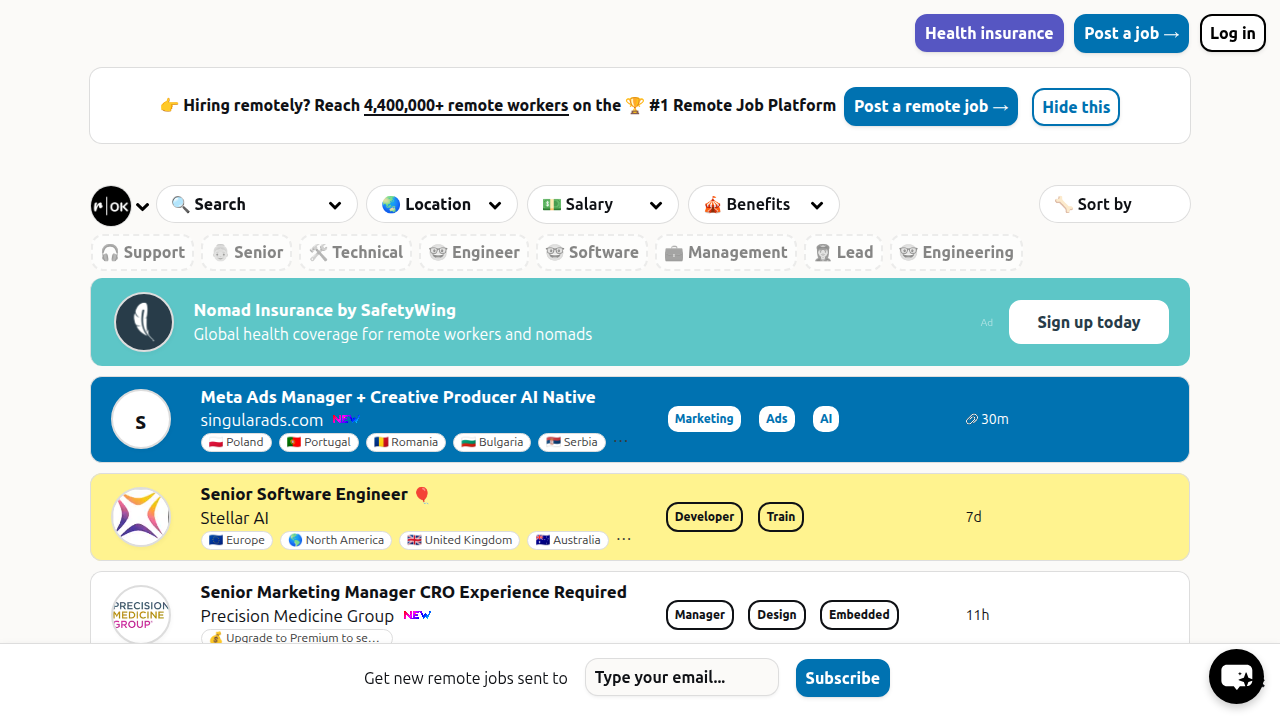
They check the companies that list there.
But if you are specifically interested in the high-ticket sales path we covered, the Remote Closers Club job board is an even better fit. It focuses specifically on legitimate remote closing roles that pay real commissions. You will not find fake listings there.
How to Research a Company Before Applying
Once you find a job posting you like, do not apply right away. Do this quick research first.
Check the company’s LinkedIn profile. Do they have real employees? Do people actually post about working there? Real companies have a real presence.
Read their Glassdoor reviews. Look for patterns. A few bad reviews are normal for any employer. But a flood of complaints about scams, unethical practices, or non-payment is a huge warning sign.
Search for the company name on the Better Business Bureau website. See if any complaints exist and how the company handled them.
Your Next Steps for a Safe Career
Here is the good news. Thousands of people just like you find safe, legitimate remote jobs entry level no experience required every year. You just need to be smart and patient.
If you are transitioning from another field, our guide on how high-ticket closer jobs remote are the next step for digital marketing interns shows exactly how that move works. It is one of the safest ways to enter high-ticket sales because you already understand marketing language.
And for long-term growth, you want a company that offers real advancement. Our guide on how to land enterprise remote sales roles with six-figure pay in 2026 walks you through the vetting process for these higher-level positions.
To get the full picture on building a safe remote career from scratch, read our complete guide on how to find the best remote jobs and build a high-ticket sales career. It gives you the exact roadmap, from spotting scams to landing your first closing role.
Essential Skills for Entry-Level Success in a Remote World
Landing a safe, legitimate remote job is only half the battle. The other half is being good enough to keep it and grow. You might think you need years of experience, but the truth is, many companies hiring for remote jobs entry level no experience roles care more about your willingness to learn than your resume.
Here are the core skills that will set you up for success.
Soft Skills That Make You Stand Out
Let’s start with the skills you cannot fake.
Communication. In a remote setting, you live and die by your ability to write and speak clearly. You need to explain yourself in emails, video calls, and chat messages without confusion. As this RemoteRocketShip guide on entry-level sales jobs points out, strong communication skills are non-negotiable.
Self-motivation. No one is watching you work from home. You have to push yourself to start your day, complete your tasks, and stay focused when distractions pop up.
Coachability. Are you open to feedback? The best entry-level candidates listen, take notes, and adjust their approach without getting defensive.

Our article on how high-ticket closer jobs are the next step for digital marketing interns explains exactly why being coachable helps you climb the ladder faster.
Time management. When you manage your own schedule, you need to prioritize important tasks and avoid getting stuck on small stuff.
Resilience to rejection. Sales is full of nos. You need to handle them without letting your next call suffer. That tough skin comes with practice.
Technical Skills You Should Start Learning Now
You do not need a tech degree, but you do need to be comfortable with a few tools.
Most entry-level sales roles expect you to understand basic sales principles and know how to use customer relationship management software. The same RemoteRocketShip guide mentions that proficiency in sales software and CRM is a must.
You will also use video conferencing tools like Zoom or Google Meet every day. Dialer software and deal management platforms are common too. Do not worry if you have never used them before. You can learn the basics in a weekend.
How Structured Training Accelerates Everything
Here is the shortcut many people miss. Instead of learning everything through trial and error, you can join a structured training program. Good programs teach you the exact skills employers want, so you go from beginner to ready-to-hire much faster.
That is exactly what the Remote Closers Club program does. It walks you through the sales process, the tools, and the mindset needed to close high-ticket deals. You do not need a background in sales. You just need the willingness to learn.
For a complete roadmap from skills to landing your first role, read our full guide on how to find the best remote jobs and build a high-ticket sales career. It connects all the dots for you.
Resume and Application Strategies for Entry-Level Candidates
You have the skills we talked about. Now you need to show hiring managers you are the person they want. It can feel tricky when you are looking for entry level jobs with no formal experience. But you have more to offer than you think.
The trick is knowing how to package what you have done. Let me show you exactly how.
Highlight Transferable Experience
Think about every time you helped someone solve a problem. That is sales. Your jobs near me no experience might include volunteer work, an internship, a side project, or even customer service at a store. All of those count.
Did you handle customer complaints? Great, that shows conflict resolution. Did you organize a club event? That shows project management. Did you help a friend pick a product? That is persuasion.
When you apply for remote jobs entry level no experience roles, put those experiences on your resume. Frame them in sales language. For example: "Helped 30+ customers find the right product each week" sounds much stronger than "Worked at a retail store."
This Coursera guide on getting a remote sales job explains exactly how to show you are comfortable with outreach and follow-up, even if you have not done it officially.
Tailor Your Resume for ATS and Remote Sales Roles
Most companies use software called an Applicant Tracking System. It scans your resume for keywords before a human sees it. If you use the same words from the job posting, you get past that first filter.
This Monster article on resume tips shows you how to find the right keywords in the job description and place them naturally.
Do not just list tasks. List results. A video on remote sales resume tips says to stop listing tasks and start listing results. Instead of "Answered phone calls," write "Helped resolve client issues quickly, leading to positive feedback."
Also, use a clean format. Avoid fancy fonts or columns. RemoteRocketShip has a sales resume guide that shows you the sections every sales resume needs.
Craft a Compelling Cover Letter and Video Introduction
For remote sales roles, a short video introduction can set you apart. Record a 60-second video on your phone. Introduce yourself, explain why you are interested, and share one win from your past. Hiring managers love seeing your energy and communication style early.
Your cover letter should be brief. Mention the company name, one thing you admire about them, and how your background fits. Keep it to three short paragraphs.
Leverage Networking
Many online jobs from home never get posted publicly. They go to people in the know. So start building your network now.

Join LinkedIn groups related to remote sales. Connect with people who have the job you want and ask thoughtful questions.
Reach out to alumni from your school who work in sales. Most people are happy to help.
A guide on remote jobs with no experience recommends tailoring every single application. But networking helps you learn what to tailor. You get insider tips on what the company actually needs.
As you build your network and resume, remember that training programs can give you a massive shortcut. The Remote Closers Club program teaches you exactly what to put on your resume and how to present yourself. It also connects you with a community of people in the same boat. If you want a complete roadmap, read our full guide on how to find the best remote jobs and build a high-ticket sales career. It pulls everything together for you.
Building a Career Path from Entry-Level to High-Ticket Sales
You landed your first entry level sales job. Now what? The real goal is to grow into a high earner. The good news is that remote sales has a clear ladder you can climb. You just need a plan and some patience.
Here is a realistic 12 to 24 month path that works.
The Three Step Progression
Most people move through three main roles. First, you start as a Sales Development Representative (SDR). You qualify leads and set appointments. It is not the most glamorous work, but it teaches you the basics of outreach and pipeline management. The Sales Career Path Guide explains how this role builds your foundation.
After 6 to 12 months, you can move up to a Junior Closer. You start handling smaller deals with guidance. You learn how to handle objections and close transactions. Your pay shifts from mostly base salary to more commission.
Finally, you become a High Ticket Closer. You sell premium products worth thousands of dollars. A complete guide on remote high ticket closing jobs shows that closers can earn $5,000 to $15,000 per month. That is life changing money.
Keep Learning and Earning
The income jump is real. SDRs often make $40,000 to $60,000 total. Junior closers can earn $60,000 to $100,000. High ticket closers sometimes hit $200,000 or more. The Remote Sales Jobs Guide 2026 lists remote sales jobs paying $60K to $200K+ OTE.
But you cannot coast. You need continuing education. Take certification programs, find a mentor, and invest in paid training. The best closers never stop learning.
Stay Connected
Remote work can feel lonely. That is why community matters. Join a group of people on the same path. Share wins, ask questions, and hold each other accountable. It keeps you motivated when things get hard.
If you want a complete roadmap for the next two years, read our full guide on how to find the best remote jobs and build a high ticket sales career. It pulls all the pieces together.
Summary
This guide helps beginners navigate the competitive remote job market of 2026 by defining what