
Introduction: Why Marketable Skills Define Your Remote Career Trajectory
The way companies hire has changed. And it has changed fast.
Back in 2024, a degree or a proud work history might have landed you an interview. But in 2026, hiring managers care more about what you can actually do. Your marketable skills matter more than your job titles.
Think about this. Around 45% of sales roles are now fully remote, especially in SaaS and technology where deals happen over Zoom, not in boardrooms

AccountMakers. At the same time, 82% of U.S. companies offer some form of flexible work DailyRemote.
That means millions of people are competing for the same remote roles.
So how do you stand out?
You need the right skills. Not just any skills. You need skills that employers are actively hunting for. Skills like high ticket closing, virtual communication, and prospecting. These are the marketable skills that separate top earners from everyone else.
This article gives you a clear, research backed framework. You will learn how to identify your strongest skills, honestly assess where you are weak, and market yourself in a way that gets you hired. Whether you are looking for entry level jobs or you are an experienced sales professional making a shift, this guide is built for you. For more on securing your first remote role, see our detailed walkthrough on landing entry level remote jobs with no experience.
Ready to build a remote career that pays well and gives you freedom? Get started with our guides and resources to explore training reviews, job search strategies, and actionable tips for remote high ticket closing.
What Are Marketable Skills in the Remote Era?
So what exactly makes a skill marketable in 2026? A marketable skill is one that employers actively need and that you can carry with you from one role to the next. In remote sales, this means abilities like consultative selling, self-direction, and digital literacy. As the Future of Prospecting report highlights, sales professionals now need to master virtual communication and efficient pipeline management to stand out.
The shift to hybrid remote work and fully remote teams has changed what companies prize. Being good in a boardroom is not the same as being good on Zoom. Employers now look for people who can manage their time, learn new tools fast, and build trust without ever meeting in person. With remote job postings jumping 20% over the last quarter alone FlexJobs, the competition is fierce. Your ability to show self-direction and digital fluency is no longer "nice to have." It is a baseline requirement.
Understanding the difference between hard skills (like CRM mastery or cold calling) and soft skills (like empathy or adaptability) is a smart first step.
A focused development plan needs both. Hard skills get you in the door. Soft skills help you close the deal and keep clients happy. If you want to build a structured plan to develop these abilities, check out our guide on how to find the best remote jobs and build a high-ticket sales career. Ready to identify your own strongest skills? Get started with our guides and resources to learn how to assess your strengths and map out your next career move.
Hard Skills: The Technical Foundation
If soft skills are your engine, hard skills are the fuel. In remote sales, you cannot fake your technical foundation. Employers will test it during the interview and on day one.
First, you need solid CRM proficiency. Tools like Salesforce, HubSpot, and Pipedrive are the backbone of modern sales.
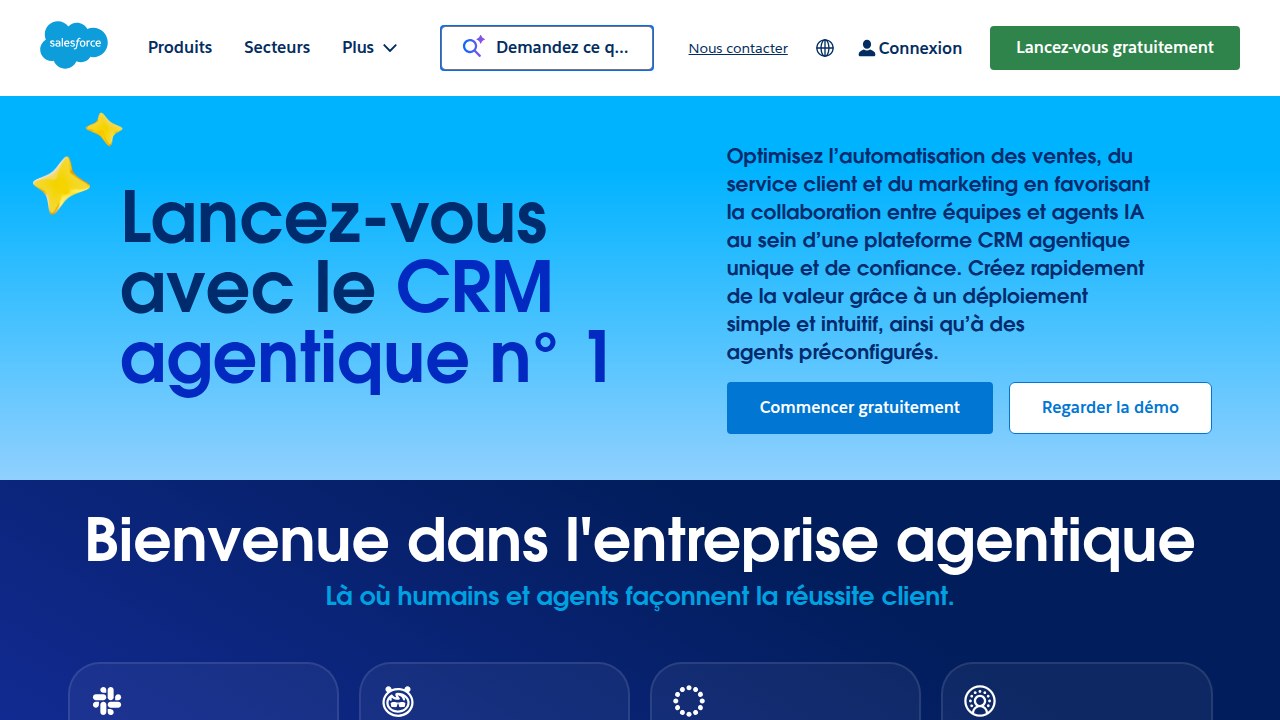
They help you track leads, manage your pipeline, and follow up at the perfect time. In 2026, knowing at least one of these platforms is not a bonus. It is a baseline requirement. The top sales teams rely on CRMs like Salesforce and HubSpot to stay organized and close more deals.
Second, video conferencing skills matter more than ever. Zoom, Google Meet, and Loom are your new office. You need to present clearly, share your screen without fumbling, and build trust through a camera.
Third, learn data analysis and pipeline management. Track your numbers. Which emails get replies? What time do prospects book calls? These insights help you optimize your strategy and hit higher conversion rates.
Finally, sales automation and AI tools are becoming a real differentiator. Smart closers use AI to draft outreach, score leads, and automate follow-ups. This makes you faster and more effective than your competition.
Want to build these hard skills and land a remote closing role? Read our guide on how to land-enterprise-remote-sales-roles-with-six-figure-pay. And when you are ready to take action, Get Started with our full library of training resources and job search tools.
Soft Skills: The Human Edge
Now, here is the truth. Hard skills get you in the door. But soft skills? They keep you closing deals and earning top commissions. In remote sales, you often work alone on a screen. There are no casual chats by the water cooler. So your ability to connect from a distance becomes everything.
First, empathy and active listening are your superpowers. When you cannot read body language easily, you must listen harder.

You need to truly hear what your prospect is saying and feeling. This builds trust fast. According to research on essential selling skills for remote sales, conversational skills and empathy-based listening are at the top of the list. In fact, soft skills like effective communication and conflict resolution become even more critical when you work remotely.
Second, you must have self-discipline and time management. No one watches you clock in. Your productivity depends entirely on your own schedule and focus. The best closers set daily routines and stick to them. This is a core part of the marketable skills employers look for in 2026.
Third, bring adaptability and a growth mindset. Tools change. Markets shift. The top 10% of closers are always learning and adjusting. They see every rejection as a lesson, not a failure.
These human skills combine with your technical foundation to make you unstoppable. Want to strengthen these traits and start applying? Explore our complete library of training and job resources by clicking Get Started today.
The Core Technical Skills for Remote High-Ticket Closing
Soft skills give you the human edge. But to close deals remotely, you also need a solid technical toolkit. Here are the core skills that make you a complete remote closer.
First, you must master virtual presentation tools like Zoom, Google Meet, and Loom. Delivering a compelling demo over a screen is different from a face-to-face meeting. You need to share your slides smoothly, read the room through a camera, and keep prospects engaged without physical presence. Practice makes perfect here.
Second, CRM proficiency is a must. High-ticket sales often have long cycles. You need to track leads, schedule follow-ups, and manage your pipeline without missing a beat. The right CRM keeps everything organized. For 2026, tools like Pipedrive and HubSpot are top choices, as explored in this CRM comparison guide that breaks down features for sales teams. And using a CRM effectively ties directly to your sales performance. Learn how coaching can help you master these tools by checking out this guide on sales performance coaching.
Third, you need basic revenue modeling and ROI calculation skills. When you talk to a prospect, you are not just selling a product. You are building a business case. You must show them how your solution saves money or makes money. Simple math and clear numbers build trust fast.
These technical skills, combined with your soft skills, make you a complete closer. Ready to build your technical skills and land your first high-ticket role? Get Started with our resources today.
CRM & Sales Tools
As a remote high-ticket closer, knowing your CRM inside and out is one of the most marketable skills you can have. You need to manage pipelines, automate follow-ups, and never lose track of a lead. In 2026, the top platforms include HubSpot, Salesforce, and Pipedrive.
Comparing the best sales CRM tools shows how these platforms help you stay organized and close more deals.
For high-ticket sales, your CRM must integrate with communication tools like Slack and email. This high ticket sales CRM guide explains how connecting your tools streamlines your workflow and saves you time. Even if you are looking for entry level jobs or switching from hybrid remote work, solid CRM skills make you stand out to employers.
Two skills often overlooked are data hygiene and reporting. Keeping your data clean means you can trust your numbers. Strong reporting helps you show your value during reviews and negotiations. Enterprise sales teams prioritize these features when hiring closers.
If you aim for six-figure roles, mastering CRM is essential. Learn how to land enterprise remote sales roles with six-figure pay in 2026 and put your CRM expertise to work.
Ready to build these marketable skills and take the next step? Get Started with our resources today.
Video Communication & Presentation
You know your CRM inside and out. But if your video call makes you look unprofessional, all that skill gets overshadowed. Ever been on a call where the person is a dark shadow or the audio echoes? That kills trust fast. In 2026, mastering video communication is one of the most marketable skills for sales professionals, whether you are targeting entry level jobs or moving up from a hybrid remote work setup.
Screen sharing isn’t just about showing a slide. Use virtual whiteboards to map out solutions with your prospect in real time. Keep your presentation decks clean and focused. These small habits bridge the gap left by in person meetings.
Your setup matters too. Good lighting, clear audio, and a tidy background show you take your role seriously.

Many companies now assess these communication skills during hiring. Tools like the ones listed in this 2026 sales skills assessment guide evaluate your ability to present and connect virtually.
One power move: record short personalized video messages for leads. A quick 60 second video can accelerate trust building faster than a dozen emails. It shows you care.
Want to sharpen these marketable skills and land better roles? Get Started with our guides and start closing more deals from anywhere.
Soft Skills That Drive Remote Closing Success
Video setup is only part of the picture. What really sets top closers apart are the soft skills you use every day. In 2026, employers rank these marketable skills as essential for anyone aiming for entry level jobs or moving up in hybrid remote work environments.
Active listening means you truly hear what a prospect says and what they leave unsaid. Since you cannot read body language on a call, you must ask powerful questions that uncover their real needs. Active listening is a top soft skill employers look for, especially in virtual settings. Combine it with empathy to build trust naturally.
Self-discipline keeps you on track. Without a manager watching, you need strong time management to follow up consistently and avoid burnout. Soft skills like self-discipline and communication directly impact job performance.
Emotional intelligence helps you handle objections calmly and build long-term relationships. When a prospect resists, you respond with understanding instead of frustration. That turns one-time deals into loyal clients.
These soft skills take practice. Start by recording your own calls and looking for ways to listen more and talk less.
Want to apply these skills to land real opportunities? Explore our guide on finding high-ticket remote closing jobs on LinkedIn. Then Get Started with more resources to sharpen your edge.
Active Listening & Rapport Building
Active listening goes far beyond just staying quiet while a prospect talks. In 2026, this is one of the most valuable marketable skills you can bring to hybrid remote work environments.
Here is the thing: talking less is only half the battle. The real trust builder happens when you prove you actually heard them. Paraphrasing their biggest worry and summarizing their goal in your own words shows deep understanding. Experts confirm that Active & Empathy-Based Listening Skills are essential for remote sales success.
Strong listeners also use simple tools to show they care. Take quick notes during the call or check your CRM logs right before you dial. When you reference a small detail they shared last week, like their team size or a specific challenge, it shows you value the relationship. That small habit builds massive rapport over time.
Finally, empathy-driven questioning uncovers the real problem. Instead of jumping straight to price, ask questions like "How has this issue affected your daily workflow?" or "What happens if you don’t solve this by next month?" These questions reveal deeper pain points and position you as a trusted advisor rather than just another salesperson. Soft skills like active listening and empathy are the cornerstones of sales success today.
Building these marketable skills opens doors to better entry level jobs and long-term career growth. If you are new to sales, learning how to land your first role is the next step. Check out our guide on how to land remote jobs with no experience.
When you are ready to take the leap and apply these skills, Get Started with our full library of training and job resources to accelerate your remote closing career.
Self-Discipline & Time Management
Here is the thing: when you work from home, no one checks if you are at your desk. Your dog might bark. The laundry needs folding. Without a boss watching over you, your ability to stay focused becomes one of your most important marketable skills in hybrid remote work.
Successful remote closers build strict routines. They wake up at the same time, dress for work, and follow a daily plan. Two simple methods work well: time-blocking and the Pomodoro technique.
Time-blocking means setting aside specific hours just for calls, prospecting, or follow-ups. The Pomodoro method asks you to work in focused 25-minute bursts with short breaks in between. These habits help you stay productive and avoid burnout.
Even more important is managing your energy. A tired closer sounds bored on the phone. Distractions like checking social media between calls can wreck your rhythm. Protect your focus. When you control your time, you can showcase your best self to every prospect, which directly leads to more closed deals.
If you are aiming for entry level jobs in remote sales, building self-discipline now will set you apart. Our guide on sales performance coaching shares more tips to boost your daily output.
Ready to take control of your schedule and start earning? Contact Us for personalized advice that fits your goals.
How to Assess Your Skill Set Against Industry Benchmarks
So you have built strong self-discipline and manage your time well. But how do you know if your sales skills are truly ready for hybrid remote work? The best remote closers do not guess. They use self-assessment tools and skill matrices to measure their abilities against real industry standards.
Think of it like checking your speed on a highway. You need a speedometer to know if you are going the right pace. In sales, assessment tools act as your speedometer. Tools like TestGorilla and HubSpot Sales Scorecard help you rate your communication, persuasion, and negotiation skills.
You can see a full breakdown of the top tools available in this 2026 guide by Prospeo. These tools highlight exactly where you fall short compared to top performers.
Industry benchmarks come from sources like sales associations and LinkedIn talent insights. They tell you what a typical closer at your experience level should know. For example, if most closers in entry level jobs can close one out of five calls and you are closing one out of ten, you have a clear gap to work on.
Regular skill audits guide your next learning steps. If you find a weakness in handling objections, you can focus your training there instead of wasting time on stuff you already know. That is how you build marketable skills that hiring managers actually want. Our guide on how to land entry level remote jobs walks you through this assessment process step by step.
Ready to find out where you stand and get a clear path forward? Contact us for a personalized career checkup that fits your goals.
Building a Learning Roadmap to Close Skill Gaps
You now know where your marketable skills fall short. The next step? Build a simple, structured plan to close those gaps fast. A learning roadmap combines three key parts: formal training, real practice, and honest feedback. That mix accelerates skill acquisition way faster than just watching videos alone.
Start by picking the right training. High-ticket closing programs, sales certifications, and one-on-one mentorship can fill critical gaps. If you are new to entry level jobs in remote sales, look for programs that teach objection handling and closing scripts. Mentorship is especially powerful. A good coach watches your calls, points out mistakes, and shows you exactly what to fix. Check out how sales performance coaching can boost your earnings if you go that route.
Next, set measurable milestones. Do not just say "get better at sales." Say "complete 20 successful demo calls this month" or "handle five cold objections without freezing." These targets turn vague goals into real progress. Use skill development tracking tools like the ones listed in the Top 15 Sales Assessment Tools for 2026 to monitor your improvement week by week.
The best part? Every small win builds confidence and proves to yourself that you belong in hybrid remote work. A clear roadmap takes the guesswork out of growing your marketable skills.
Ready to build your plan? Explore guides, training reviews, and job resources to help you get started today. Get Started
Strategies to Showcase Marketable Skills to Employers
You built a learning roadmap and closed skill gaps. Now you need to prove you have the right marketable skills. Employers in sales and hybrid remote work want proof, not promises. Here are three ways to stand out.
Create a skills portfolio. Record a few demo sales calls (with permission). Write case studies that show how you handled objections or closed tough deals. This concrete evidence speaks louder than any resume line. Use these examples to showcase your abilities at interviews or on your personal website.
Tailor your LinkedIn and resume. Don’t use a generic profile. Highlight specific remote closing skills.

Mention tools you used, like CRM software or dialers. Use keywords from job descriptions. If you are aiming for entry level jobs, focus on transferable skills from your training and practice. Check out this guide on landing remote jobs with no experience for more tips.
Prepare for remote-specific interview questions. Expect questions like "How do you build rapport on a cold call?" or "Tell me about a time you overcame a tough objection." Practice your answers out loud. Use the STAR method (Situation, Task, Action, Result) to keep responses clear and confident.
When you show proof of your marketable skills, you move from "maybe" to "hire me." Ready to get personalized advice on your next move? Book a consultation today.
Future Trends in Remote Sales Skills (2026+)
The world of remote sales is shifting fast. By 2026, about 45% of sales roles are fully remote, especially in SaaS and tech. Source. And remote job postings keep growing, up 20% from last quarter alone. Source. So what does that mean for your marketable skills?
Here is the thing. AI and automation tools now handle a lot of the repetitive admin work. Research shows sales reps spend nearly 70% of their week on non-selling tasks. Source. As machines take over data entry and dialing, your job shifts to what machines can’t do. Building real relationships. Handling tough objections. Closing deals with trust.
The most valuable marketable skills in this new world include:
- Data storytelling. You need to turn numbers into a story that convinces a buyer. Employers want reps who can explain why a product fits, not just rattle off features.
- Virtual collaboration. Hybrid remote work is here to stay. You must work smoothly with teams across time zones using tools like Slack, Zoom, and CRMs. That means clear communication and self-discipline.
- Strategic relationship management. High-ticket sales depend on long-term trust. If you can nurture leads and manage accounts without face-to-face contact, you become irreplaceable.
For entry level jobs, the path is clear. Focus on learning these future skills now. Adaptability and a hunger to keep learning are the ultimate marketable skills that will carry you through any change.
Want to see which skills matter most today? Explore our guides to build a career that lasts.
Summary
This article explains which marketable skills matter most for remote sales careers and gives a practical framework to build them. It covers both hard skills—CRM proficiency, video tools, data analysis and AI-enabled automation—and soft skills like active listening, self-discipline, and emotional intelligence, showing why each matters in a virtual selling environment. You’ll learn how to assess your current abilities against industry benchmarks, create a focused learning roadmap with measurable milestones, and use tools and coaching to accelerate growth. The guide also shows how to package proof of skill—demo recordings, case studies, and tailored LinkedIn/resume entries—to stand out to hiring managers. Finally, it outlines future trends (AI, data storytelling, remote collaboration) so you can prioritize what to learn next and position yourself for higher-pay remote roles.